
A marketplace both sides pay to use.
Listings, bookings, payments and the admin. Built to run from day one.
Scope and quote on one call.
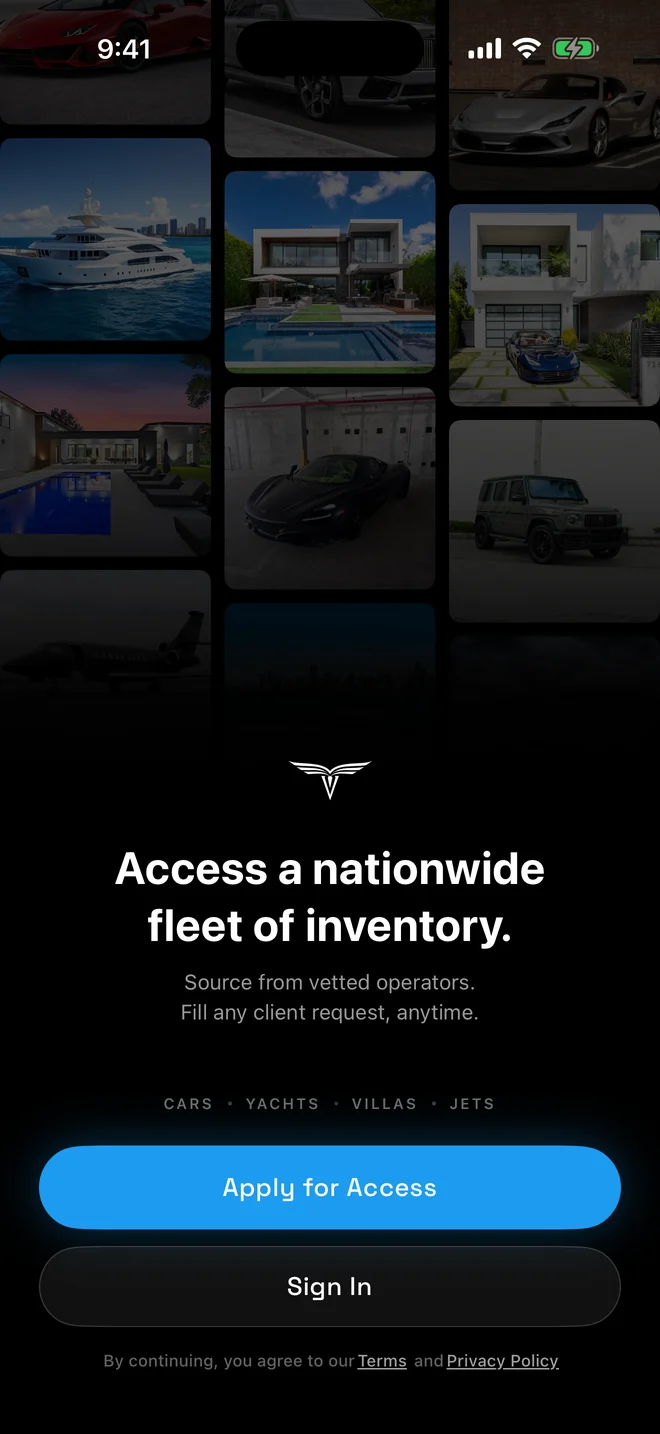
Relevant work.
Client projects and products we build and run.


What you get.
Listings sellers manage themselves.
They add, price and update their own inventory without calling you.
A booking flow buyers finish.
Search, pick a date, pay. No dead ends in the middle.
Payments and payouts.
Checkout, your cut, and money out to the other side.
An admin you actually open.
Approve a seller, fix a booking, and see what is moving.
How it goes.
Get the plan right.
We agree on the scope, timeline and price before the build starts.
Make it real.
Review a working version. Try it, talk it through and shape the details.
Launch with a next step.
Ship the product. Keep us involved for updates and care as it grows.
Send the details.
Tell us what you are building. We come back with scope and a number.
Or email michael@studioeight.app
Before we work together.
How do we launch a marketplace with little supply?
Start with a focused market and a practical way to recruit the first sellers. We can build the listing, approval and booking flows around how you will actually onboard them.
The software cannot create supply on its own. We define what needs to happen manually at launch and what becomes worth automating once transactions are happening.
Do we need a website, an app, or both?
We start with how customers will use it. A website is often the easiest way to reach new people. An app can make sense for repeat use, saved accounts, notifications or device features.
You do not need to launch every version at once. We can define the first useful product, test it with real users and expand from there.
What goes into the cost of an app?
An app with a few screens is a different build from a marketplace with accounts, payments and an admin system. We work through the important flows with you, identify the technical work, and price a defined first release.
Your proposal covers deliverables, review points and payment milestones. It also separates ongoing costs such as hosting, AI usage and developer accounts, so you can plan beyond launch.
Can it handle payments and subscriptions?
Yes, when they fit the product. We scope the payment provider, checkout, subscriptions, refunds and account permissions before development. Marketplaces may also need seller onboarding, commissions and payouts.
Provider eligibility, platform rules and transaction fees affect the setup. We explain those dependencies early and use established payment services to avoid handling raw card details ourselves.
How do you protect a marketplace from misuse?
We plan buyer, seller and admin permissions alongside the transaction flow. Depending on the model, the scope can include seller approval, listing review, reporting, limits on abuse and a record of important actions.
Refunds, disputes and support need an operating process as well as screens. We work through those decisions before the marketplace takes real bookings or payments.
How do you protect users and their data?
Security is part of the build scope. Depending on the app, that includes secure sign-in, server-side permission checks, protected credentials, validated inputs and controls against automated abuse. We decide what each user can access and keep sensitive information out of public pages and logs.
Payments, backups, monitoring and data retention are planned around the product. If your business needs a formal security review or specific compliance requirements, we scope those explicitly before development.
Will it connect to the tools we use?
We check the actual integration before including it in your quote. That means reviewing account access, available APIs, data fields and any fees or limits from your provider.
The goal is to put inquiries, bookings or customer records where your team already works. We also plan what should happen if a connection fails, so a missed sync does not quietly become a missed lead.
Can you stay involved after launch?
Yes. We work with clients through monthly care and growth plans. Care focuses on keeping the product healthy: fixes, updates, monitoring and agreed improvements. Growth work focuses on bringing the right people in and helping more of them take the next step.
Your plan sets the priorities, capacity and communication rhythm. You know what we are working on and why, with larger features or campaigns scoped before they begin.